Understanding Low-E Windows: A Guide to Energy-Efficient Home Solutions
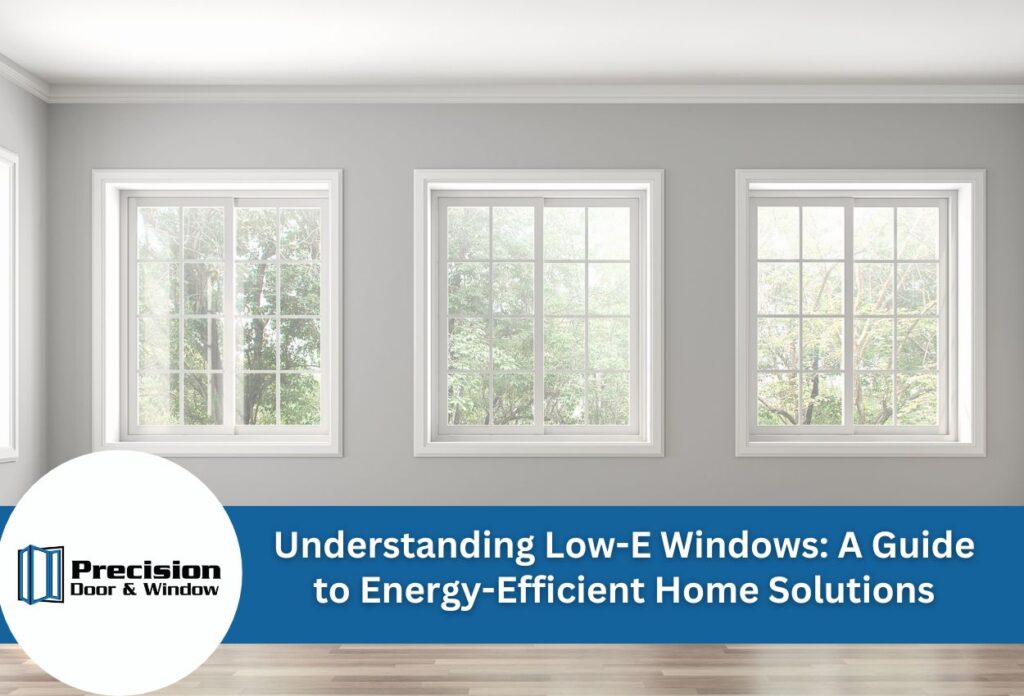
Low-E windows are an advancement in energy-efficient window technology, with specialized coatings that improve thermal performance compared to standard glass. The term “low-E” stands for low emissivity, referring to the microscopic metallic coating applied to window glass. This layer controls heat transfer while maintaining natural light levels, helping your home stay comfortable without compromising your view or your light intake.
These innovative windows work by reflecting heat instead of absorbing it. During winter, the low-E coating reflects indoor heat into the home, preventing energy loss through the glass. In summer, it reflects outdoor heat away from the interior, reducing cooling costs and maintaining comfortable indoor temperatures.
The low-E coating technology transforms ordinary windows into high-performance thermal barriers without compromising visibility or appearance. This transparent coating, thinner than human hair, blocks about 70% to 90% of ultraviolet rays that cause furniture, artwork, and flooring to fade while still allowing natural light to enter.
Modern homeowners increasingly choose thermal performance windows as essential components of energy-efficient home upgrades. The window replacement benefits, beyond energy savings, include improved comfort, reduced condensation, and enhanced protection for interior furnishings. Understanding how low-E technology works helps homeowners make informed decisions about upgrading their windows for the best energy efficiency and long-term value.
The Science Behind Low-E Coating Technology
Low-E coating technology works on the principles of heat transfer, specifically radiant heat movement. The microscopic metallic coating, typically made from silver or tin oxide, creates an invisible barrier that selectively controls which wavelengths of energy pass through the glass surface.
The coating on low-E windows reflects long-wave infrared radiation while allowing shorter wavelengths of visible light to come through easily. The coating’s properties enable energy-efficient windows to maintain indoor temperatures by preventing unwanted heat gain during hot weather and minimizing heat loss when temperatures drop.
There are two primary types of low-E coatings. Hard-coat low-E provides durability and works effectively in colder climates by maximizing solar heat gain. Soft-coat low-E has the best overall thermal performance because it’s more effective at reflecting infrared rays, making it ideal for warmer regions where cooling costs dominate energy bills.
The emissivity rating measures how effectively the coating reflects radiant heat, with lower numbers indicating better performance. Standard window glass has an emissivity rating of 0.84, while low-E coated glass achieves ratings between 0.04 and 0.20. This significant reduction in emissivity shows directly in your energy bill, with a noticeable drop in the cost and in your home’s indoor comfort.
Energy Savings and Thermal Performance Benefits
Low-E windows deliver substantial energy savings through superior insulation properties that dramatically reduce heating and cooling costs throughout the year. The specialized coating creates an additional thermal barrier that prevents conditioned air from escaping while blocking unwanted outdoor temperatures from entering the home.
During the winter, thermal performance windows with low-E coating retain indoor heat that would otherwise transfer through standard glass surfaces. This improved heat retention reduces the strain on HVAC systems, which means you have lower levels of energy consumption and lower utility bills. The enhanced insulation properties can reduce heat loss through windows by up to 50% compared to conventional single-pane glass.
Summer cooling benefits are equally impressive. Energy-efficient windows reflect solar heat before it enters living spaces as the low-E coating blocks infrared radiation while maintaining natural light transmission. This keeps interiors cooler without sacrificing brightness during the day (which also helps you save on electricity bills). This significantly reduces air conditioning needs during peak high temperatures.
Year-round comfort advantages go beyond energy savings to include consistent temperature regulation throughout the home. Low-E window glass eliminates cold spots near windows during winter and reduces uncomfortable hot zones during summer. This temperature uniformity creates more livable spaces while reducing the need for supplemental heating or cooling equipment.
UV Protection and Interior Preservation Advantages
Low-E windows provide exceptional ultraviolet protection while maintaining the natural light transmission that homeowners value in their living spaces. The advanced low-E coating blocks up to 90% of harmful UV rays that get through standard window glass, creating a protective barrier against sun damage without darkening interior rooms.
This UV filtering capability offers significant preservation benefits for valuable interior furnishings, flooring materials, and artwork. Carpets, hardwood floors, and upholstered furniture maintain their original colors and textures longer when protected by energy-efficient windows with low-E technology.
Artwork and photographs get the protection they need from these windows, as UV radiation causes irreversible fading and damage to the color of the item and paper materials. Museums and galleries rely on similar UV filtering technology to preserve valuable collections, making low-E windows a great choice for homeowners with art collections or family photographs displayed near windows.
These windows also reduce glare while maintaining clear visibility and natural illumination. Unlike tinted window glass that darken interiors, low-E coating selectively filters harmful wavelengths while preserving the full spectrum of beneficial light. This balance between protection and brightness creates comfortable indoor environments that support daily activities without compromising the appeal of natural lighting throughout the home.
Comparing Low-E Windows to Standard and Other Energy-Efficient Options
Performance differences between low-E windows and traditional single or double-pane windows become apparent through energy efficiency improvements and enhanced comfort levels. Standard single-pane windows offer minimal insulation value, allowing significant heat transfer that forces HVAC systems to work harder to maintain desired temperatures. Double-pane windows provide better insulation than single-pane options but lack the advanced thermal control that low-E coating delivers.
Gas fills like argon or krypton between glass panes work well with low-E coatings by providing additional insulation. While normal double-pane windows can have this treatment done as well, a low-E window will get the maximum benefit from this process. These inert gases offer better thermal performance than air-filled spaces, creating enhanced barriers against heat transfer. Advanced window frames constructed from vinyl, fiberglass, or composite materials work synergistically with low-E coatings to maximize overall window efficiency as well.
Multiple energy-efficient features combine to create superior thermal performance windows that outperform any single technology alone. Window replacement benefits increase significantly when low-E coatings work alongside quality gas fills and insulated frames, delivering energy efficiency solutions that standard windows cannot match through design limitations and outdated materials.
Selecting Low-E Windows for Your Specific Climate and Home Requirements
Climate zone considerations play an important role in determining the most effective low-E coating type for optimal energy performance in any geographic location. Northern climates benefit from high solar heat gain ratings that allow the winter sun to warm interior spaces, while southern regions need low solar heat gain coatings that block excessive summer heat buildup.
The position of your home significantly impacts window selection decisions, as south-facing windows receive the highest sun exposure throughout the day while north-facing installations experience minimal direct sunlight. East and west-facing energy-efficient windows require specialized consideration due to intense morning and afternoon sun angles that can create uncomfortable glare and heat gain without proper low-E coating selection.
Energy goals determine whether homeowners prioritize heating cost reductions, savings on cooling, or a better year-round performance. Thermal performance windows with different coating formulations address specific energy challenges, making the proper selection important for achieving your desired utility bill reductions and comfort improvements.
Window glass with appropriate low-E coatings must align with existing home insulation levels, HVAC system capacity, and overall energy efficiency strategies. Professional assessment helps identify which coating specifications will deliver maximum window replacement benefits based on individual home characteristics, local climate patterns, and specific performance objectives that homeowners want to achieve through their investment in advanced window technology.
Understanding performance ratings and certifications ensures homeowners select quality products that deliver promised energy savings and durability. ENERGY STAR certification provides reliable standards for comparing different low-E coating options and their expected performance in specific climate zones.
Installation Considerations and Long-Term Value for Homeowners
Professional window installation remains essential for maximizing the performance of energy-efficient windows with low-E coating technology. Certified installers possess the specialized knowledge and tools necessary to properly measure, fit, and seal thermal performance windows, ensuring the best energy efficiency and preventing air leaks that compromise performance.
Installation timelines typically span 2 to 5 days, depending on the project’s size. Weather conditions can affect scheduling, particularly during extreme temperatures when proper sealant curing becomes important for long-term performance. Professional installers coordinate material delivery and prepare work areas to minimize disruption to daily household routines.
Proper installation techniques directly impact the effectiveness of low-E coating benefits, as poorly sealed or improperly fitted windows take away much of the thermal performance advantages these advanced windows provide. Quality installation includes air sealing, proper insulation around window frames, and precise alignment to prevent drafts and water leaks.
Long-term value benefits include substantial increases in property resale value, with energy-efficient window upgrades typically returning 70% to 80% of initial investment costs. Window replacement benefits extend through warranty protection that covers both product defects and installation workmanship, providing homeowners with confidence in their investment.
Maintenance requirements for low-E windows remain minimal, requiring only standard cleaning practices with non-abrasive materials to preserve the coating’s structural integrity. The durable coating technology maintains its thermal performance characteristics for decades when properly cared for, delivering consistent energy savings throughout the product’s lifespan without degradation of efficiency benefits.
Enhance Your Home with Energy-Efficient Low-E Windows from Precision Door & Window
If you’re looking to improve your home’s energy efficiency and comfort, consider the advanced solutions offered by low-E windows. Precision Door & Window specializes in providing top-quality low-E windows that not only reduce your heating and cooling costs but also enhance the indoor environment of your home.
To learn more about how our energy-efficient windows can benefit your home, or to schedule a consultation, call us today at (951) 595-0126. Upgrade your home with Precision Door & Window and experience the difference quality windows can make.