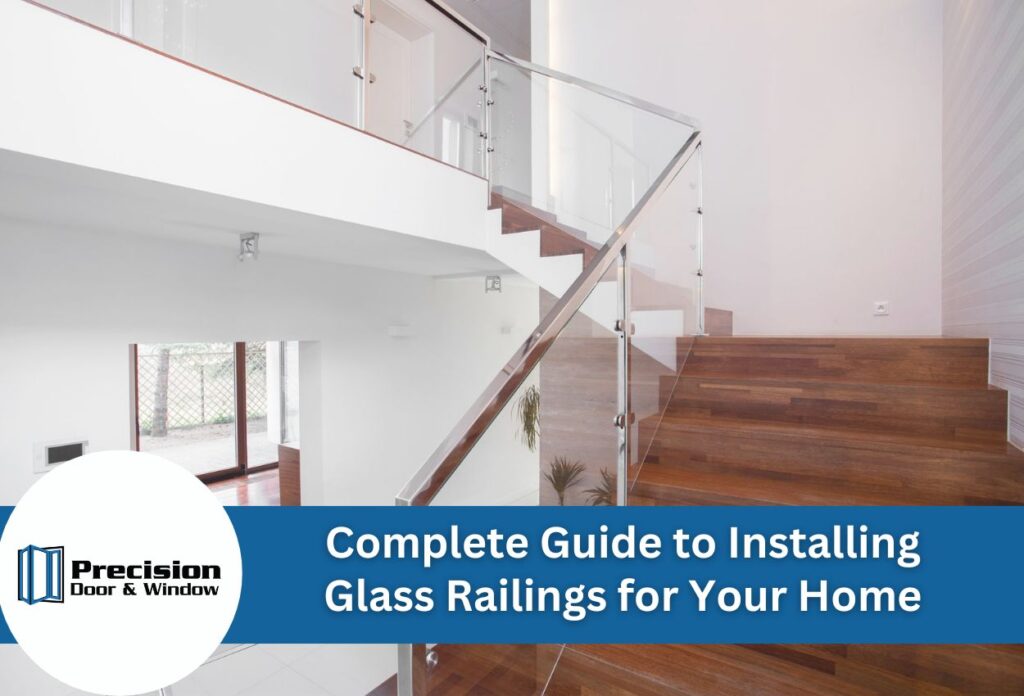
Glass railings have transformed modern home design by offering unobstructed views while maintaining safety. These sleek tempered glass railing systems create an open, airy atmosphere that makes spaces appear larger and brighter than traditional solid railings. The clear glass design allows more natural light throughout stairways, balconies, and decks without compromising structural integrity or building code compliance.
The glass railing installation process involves several steps that require precision and attention to detail. Professional installers begin by measuring the space and determining the appropriate specifications for each project. Residential glass railing options vary in style, thickness, and mounting methods, making planning essential for successful results.
The installation process typically spans several days, beginning with site preparation and ending with final safety inspections. Glass railing hardware requirements include specialized brackets, clamps, and support posts designed specifically for tempered glass panels. Each component must meet strict safety standards to ensure the finished installation provides reliable support for years to come.
Modern glass railing systems combine contemporary aesthetics with proven safety performance, making them increasingly popular for both interior and exterior applications. Knowing what to expect when it comes to glass railing installation helps homeowners prepare for their project.
Planning Your Glass Railing Project Before Installation Begins
Planning is the first step in any successful glass railing installation. Accurate measurements determine the exact dimensions needed for each glass panel and identify potential challenges before the work begins. Professional installers measure the total length of the railing area, calculating the number of panels required while accounting for structural support posts and connection hardware.
Building codes establish minimum height requirements for glass railings, typically ranging from 36 to 42 inches, depending on the application and local regulations. These codes also specify load requirements that tempered glass railing systems must withstand to ensure occupant safety. The glass thickness, typically ranging from 10 mil to 12 mil, depends on the span between support points and the specific design loads required by local building authorities.
Residential glass railing options include three primary designs that affect both appearance and installation complexity.
- Frameless systems provide the cleanest visual lines by mounting glass panels directly to posts or floors using minimal hardware.
- Semi-frameless designs incorporate top or bottom rails while maintaining open sightlines.
- Framed systems enclose glass panels within metal frames, offering maximum structural support for challenging installations.
Glass railing hardware requirements vary significantly between these design styles. Professional installers must account for wind loads, seismic requirements, and foot traffic patterns to determine the appropriate mounting system and support spacing for the railing.
Everything Needed for Glass Railing Installation
Successful glass railing installation requires hardware designed specifically for tempered glass systems. Essential mounting hardware includes structural posts manufactured from aluminum or stainless steel that provide primary support for glass panels. Glass clamps and brackets create secure connection points between panels and posts, while specialized fasteners ensure proper load distribution throughout the system. Top rail connectors, base shoes, and intermediate supports complete the hardware package needed for most residential glass railing options.
Professional-grade tools are necessary for accurate measurements throughout the glass railing installation process. Heavy-duty drills equipped with masonry bits handle concrete and structural mounting requirements, while diamond-tipped glass bits accommodate any field modifications needed for tempered glass panels. Digital levels and laser measuring devices guarantee precise alignment across long railing runs. Torque wrenches prevent over-tightening of critical connections that could damage glass panels or compromise structural integrity.
Safety equipment protects installers during the glass railing installation. Cut-resistant gloves prevent injuries when handling large glass panels, while safety glasses shield eyes from debris during drilling. Glass suction cups and panel carriers enable safe transport and positioning of heavy tempered glass sections. These specialized tools reduce installation time while ensuring consistent results that meet building code requirements.
Quality glass railing hardware includes corrosion-resistant materials that are rated for outdoor use if needed, making tool and material selection critical for long-term system reliability.
Preparing the Installation Area and Surface Requirements
Surface preparation is the foundation for a reliable glass railing that will perform safely for decades. The mounting surface must be thoroughly cleaned and inspected to remove any debris, loose material, or structural defects that could compromise the connection strength. Concrete surfaces require verification of adequate compressive strength to ensure they can properly support the concentrated stress from glass railing hardware.
Steel mounting surfaces need to be inspected for corrosion, thickness, and structural adequacy before beginning the glass railing installation process. Wood substrates must be evaluated for moisture content, structural integrity, and appropriate species strength ratings. Any surface irregularities or damage discovered during the inspection need to be corrected before proceeding with the installation.
Accurate marking of post locations and hardware mounting points ensures the railing will be straight and level throughout the entire project. Professional installers use chalk lines and laser levels to establish reference lines across the mounting surface. Precise measurements between post centers prevent errors that could affect the fit of glass panels. Each mounting point location should be verified using measuring tapes and squares to confirm proper spacing and alignment.
The railing needs exact positioning since tempered glass panels cannot be modified once manufactured. Marking systems must account for the structural post dimensions, glass panel thickness, and hardware clearance requirements. This preparation phase directly impacts the success of the residential glass railing installation by ensuring all components fit together properly during assembly.
Glass Panel and Hardware Installation Process
The glass panel and hardware installation process begins with positioning support posts according to the marked layout lines established during surface preparation. Each post must be plumb and level before securing with appropriate fasteners sized for the mounting substrate. Post alignment affects the entire tempered glass railing system, requiring careful measurement between centers and verification of height above the finished surface.
Installing mounting brackets follows a specific sequence that ensures the glass panels are properly supported. Bottom brackets are secured first to provide a stable base for glass positioning, followed by intermediate clamps spaced according to manufacturer specifications. Each bracket should be carefully aligned to prevent stress concentrations that could damage the glass panels during installation or maintenance.
Tempered glass panels require careful handling techniques that prevent damage while ensuring accurate positioning within the hardware system. Professional installers use suction cup lifters and support frames to maneuver heavy glass sections into mounting brackets without imposing excessive stress on connection points. Each panel settles into position with proper clearance gaps that accommodate thermal expansion and structural movement over time.
Final adjustments to glass railing hardware include checking all connection points for proper engagement and tightness. Each clamp, bracket, and fastener should be inspected to verify secure attachment. Residential glass railings need consistent spacing between panels and uniform height across the entire installation. These glass railing installation steps ensure the finished system looks as expected and will be reliable for years to come.
Safety Considerations and Code Compliance During Installation
Building codes establish specific requirements for glass railing installations that ensure public safety and structural reliability. Most jurisdictions require glass railings to withstand a minimum horizontal load of 50 pounds per square foot applied at the top rail, while height requirements typically mandate a 42-inch minimum for railings on elevated surfaces above 30 inches. The glass railing installation process must account for these load requirements when selecting tempered glass and support spacing intervals.
Local building authorities also specify baluster spacing requirements that prevent small objects or children from passing through railing openings. Glass panels naturally eliminate spacing concerns since they provide continuous barriers, but connection hardware must maintain its integrity under prescribed test loads. Glass railing hardware requirements include corrosion-resistant materials and fastener grades that maintain strength over the system’s expected service life.
Installation safety protocols protect workers and prevent damage during the glass railing project. Heavy tempered glass panels require multiple crew members and specialized handling equipment to prevent injuries and broken glass. Power tool safety is also critical when drilling mounting holes in concrete or steel substrates, requiring eye protection and dust control measures throughout the installation area.
Professional installers follow safety guidelines that address fall protection, material handling, and tool operation hazards, and all safety equipment is checked before beginning work each day. Residential glass railing options must undergo final inspection to confirm compliance with applicable building codes before the installation receives approval for occupancy and use.
Final Inspection and Maintenance Tips for Your New Glass Railing
The final inspection phase of the glass railing installation process is an evaluation of every connection point, alignment detail, and structural component to ensure the completed system meets professional standards. Each mounting bracket receives an individual inspection to verify proper torque specifications and secure attachment to the substrate. Glass panels need to be checked for proper seating within hardware and adequate clearance gaps that accommodate thermal movement.
Alignment verification involves checking the entire railing run for consistent height, straightness, and level positioning across all panels. Professional installers use precise measuring tools to confirm that tempered glass railing systems maintain uniform spacing and vertical alignment. Connection hardware undergoes load testing where applicable to verify that structural performance meets building code requirements. Each glass panel receives inspection for installation damage and secure positioning within mounting clamps.
Establishing effective maintenance routines preserves the appearance and structural integrity of residential glass railings throughout their service life. Regular cleaning with appropriate glass cleaners maintains the glass’s clarity while preventing the buildup of dirt and environmental contaminants. Hardware components should be periodically inspected for signs of corrosion, loosening, or wear that could affect system performance over time.
Maintenance should also address fastener tightness and connection integrity. Professionals generally recommend annual inspections of all mounting points and hardware components. Following these ongoing maintenance tips ensures the system continues providing reliable safety performance while maintaining its attractive appearance for years of dependable service.
Enhance Your Home with Precision Door & Window’s Glass Railing Installation
Ready to transform your home with a modern and stylish glass railing system? At Precision Door & Window, we specialize in the seamless installation of high-quality glass railings that not only enhance safety but also elevate the look of your living space. Our team of experts ensures that every installation adheres to local building codes and safety standards, providing you with peace of mind and a stunning visual appeal.
To start planning your glass railing project and to ensure a smooth, efficient installation process, don’t hesitate to contact us today. Let us help you achieve the open, bright space you’ve dreamed of with our professional glass railing solutions. Give Precision Door & Window a call at (951) 595-0126 to discuss your specific needs and schedule a consultation!