Wood vs. Vinyl Windows: Your Complete Guide to Choosing the Right Window Material for Your Home
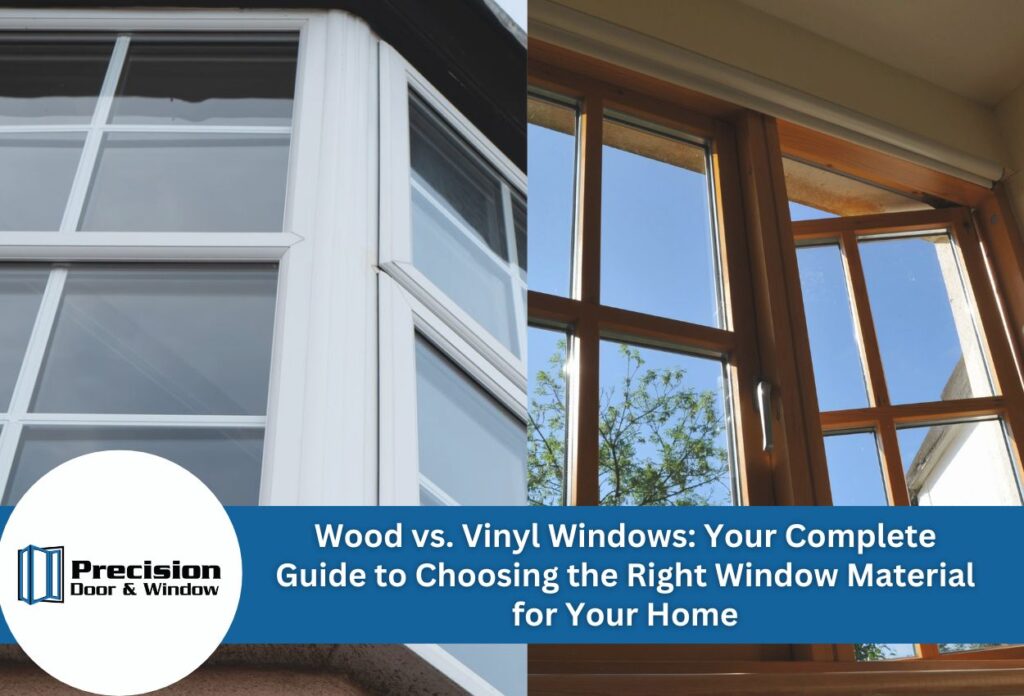

Selecting the right frame materials ranks among the most important decisions homeowners face during window replacement projects. Wood and vinyl windows dominate the residential market, each with advantages that appeal to different priorities and preferences. These two materials differ significantly in construction, performance, and long-term maintenance requirements.
Wood windows bring natural beauty and traditional craftsmanship to homes, featuring solid timber construction that provides excellent insulation and timeless aesthetic appeal. However, wood windows need regular attention to preserve their appearance and integrity over time.
Vinyl window benefits include superior moisture resistance, minimal upkeep requirements, and consistent performance across various weather conditions. Modern vinyl frames incorporate advanced engineering techniques that deliver impressive energy efficiency while being affordable and durable.
TExploring different replacement window options can help homeowners find the right combination of materials, energy efficiency, maintenance needs, and design for their home.
. Understanding how each material performs in real-world conditions helps homeowners make a final decision that aligns with their specific needs, local climate, and architectural preferences. Both materials offer viable solutions for improving home comfort and efficiency when properly installed.
Wood vs. Vinyl Windows: Factors to Consider When Evaluating Your Options
For homeowners deciding between wood and vinyl windows, understanding the characteristics of each option can help make a final choice. Below are some factors to consider during your search.
Durability and Longevity
The lifespans of wood and vinyl windows vary significantly based on maintenance practices and environmental exposure. Wood windows typically last 15 to 30 years when homeowners commit to regular upkeep, including periodic painting, staining, and sealing to protect against moisture and UV damage. Without consistent maintenance, wood frames can develop rot, warping, and paint failure, making proper maintenance and exterior window protection important for preserving their appearance and performance.
Vinyl window benefits include exceptional weather resistance and structural stability that often extends their functional lifespan to 20 to 40 years with minimal intervention. These window frame materials resist moisture, insect damage, and temperature fluctuations without requiring protective coatings or regular refinishing. Vinyl frames maintain their dimensional stability and color throughout their service life, making them suitable for harsh climates.
Climate conditions significantly influence window deterioration rates for both materials. Extreme temperature swings, high humidity, and intense UV exposure accelerate aging in wood frames, while vinyl windows generally have more consistent performance in these weather patterns. Homeowners considering window replacement options should evaluate their local climate and maintenance capabilities when choosing between these durable frame materials.
Maintenance Requirements and Care
Wood window maintenance involves weekly and seasonal care routines that preserve both function and appearance. Weekly upkeep includes monitoring for moisture accumulation, checking weatherstripping integrity, and ensuring moving components operate as intended. Seasonal maintenance tasks require more intensive attention, including annual inspections of caulking joints, cleaning and lubricating hardware mechanisms, and examining paint or stain condition for early signs of deterioration.
Refinishing needs for wood windows typically occur every few years, depending on exposure levels and climate conditions. This process involves scraping deteriorated finishes, sanding surfaces smooth, applying primer coats, and finishing with quality exterior paint or wood stain. Wood window frames also require periodic replacement of glazing compounds and weatherstripping to maintain their energy-efficient performance.
Vinyl windows are a popular choice, specifically for their minimal maintenance needs, requiring only regular cleaning with soap and water to remove dirt and debris buildup. These windows eliminate refinishing requirements while maintaining their appearance and structural integrity over decades of service. Common issues with vinyl frames include hardware adjustments, occasional weatherstripping replacement, and cleaning of drainage weep holes to prevent water accumulation.
Overall, the maintenance investment differs dramatically between these materials, with wood windows needing ongoing attention while vinyl alternatives provide hassle-free operation that appeals to busy homeowners seeking low-maintenance solutions.
Energy Efficiency and Insulation
The thermal properties of wood frames provide natural insulating capabilities that have made them a preferred choice for energy-conscious homeowners. Wood possesses inherent insulation characteristics with a higher R-value than vinyl, creating effective barriers against heat transfer. This natural thermal resistance helps keep indoor temperatures consistent while reducing the strain on heating and cooling systems throughout the year.
Vinyl windows approach energy efficiency through different engineering methods, incorporating hollow chambers and reinforcing materials to enhance thermal performance. Modern vinyl windows include multi-chamber designs that trap air for improved insulation, while advanced glazing systems and weatherstripping create tight seals against air infiltration. These window frame materials can achieve impressive energy efficiency when combined with quality glass and proper installation techniques.
Seasonal comfort levels vary between these materials based on their thermal conductivity. Wood frames maintain more stable surface temperatures, reducing condensation issues during cold months while staying cooler to the touch in summer heat. Vinyl frames may experience greater temperature fluctuations, but compensate through superior sealing that prevents drafts and air leaks.
Both window replacement options contribute to overall home energy savings when correctly manufactured and installed, though their methods differ significantly. Wood achieves efficiency through material density and natural insulation, while vinyl relies on engineered chamber systems and precision manufacturing to deliver comparable thermal performance for comfortable year-round living.
Aesthetic Appeal and Design Flexibility
Wood windows offer unmatched customization possibilities that appeal to homeowners seeking unique architectural features. These window frame materials accept virtually any paint color or stain, allowing them to integrate with existing home designs. Natural wood grain patterns provide authentic character that complements traditional, Craftsman, and historic architectural styles with genuine visual warmth.
Custom millwork options for wood windows include decorative trim profiles, divided light patterns, and specialty shapes that accommodate unique architectural requirements. The ability to modify wood frames on-site allows contractors to achieve precise fits and custom details that enhance overall home aesthetics. Wood stain choices range from light natural tones to deep mahogany finishes, enabling homeowners to highlight the material’s inherent beauty while matching interior and exterior design themes.
Vinyl window benefits include consistent color matching and fade-resistant finishes that maintain their appearance throughout their service life. However, color selections remain limited to manufacturer options, typically including white, beige, and select earth tones. Modern vinyl windows feature woodgrain textures and improved surface finishes that simulate natural materials while providing low-maintenance alternatives.
Architectural compatibility varies between these window replacement options based on home style and design objectives. Wood frames naturally complement period homes and custom designs, while vinyl windows work well with contemporary and transitional architectural styles. Both window types can enhance curb appeal when selected appropriately for the specific home design and neighborhood character.
Installation Considerations and Professional Requirements
The installation process for wood and vinyl windows differs significantly in complexity, requiring different levels of expertise and specialized equipment. Wood windows typically weigh more than vinyl alternatives due to their solid timber construction, necessitating additional structural support considerations during window replacement projects. The increased weight needs careful planning for proper framing reinforcement and may require multiple installers to safely position and secure each unit.
Vinyl windows have a lighter-weight construction that simplifies handling and installation procedures. These window frame materials often feature integrated mounting flanges and pre-drilled attachment points that streamline the installation process. The dimensional consistency of vinyl frames reduces on-site adjustments compared to wood windows, which may require custom fitting and trimming to achieve proper alignment.
Installation timelines vary considerably between these window options based on preparation requirements and finishing work. Wood windows typically require additional time for paint preparation, primer application, and finish coating after installation. Professional installers must account for drying time between coats and weather conditions that affect finishing schedules.
Specialized tools for wood window installation include precision cutting equipment for trim work, high-quality brushes for finishing applications, and moisture meters to ensure proper wood conditioning. Vinyl installations rely more on standard construction tools but may require specific fasteners and sealants designed for synthetic materials. Both windows need proper weatherization and quality control measures to ensure long-term performance and warranty compliance.
Making Your Final Decision Based on Your Specific Needs
Choosing between wood and vinyl windows requires evaluating the factors presented above, your personal circumstances and long-term homeownership goals. Lifestyle factors play a crucial role in determining which window frame materials will provide the best satisfaction over time. Busy professionals and frequent travelers often find vinyl windows align better with their limited time for home maintenance tasks, while homeowners who enjoy hands-on property care may appreciate the craftsmanship opportunities that wood windows provide.
Budgets should include more than the initial purchase costs to encompass ongoing maintenance and future replacements. Wood window maintenance requires regular financial investment in refinishing materials, professional services, and periodic repairs that accumulate over the window’s lifespan. Vinyl options typically have lower long-term costs despite comparable initial investments, making them popular for cost-conscious homeowners.
Before committing to either material, homeowners should ask contractors specific questions about warranty coverage, expected maintenance, and energy performance ratings. Other evaluation factors include local climate conditions, architectural compatibility, and available color options that match existing home design elements.
The best choice will align with the homeowner’s capabilities, financial resources, and aesthetic preferences. Both materials deliver reliable performance when properly selected, installed, and maintained according to manufacturer specifications and professional recommendations.
Discover the Best Window Solutions with Precision Door & Window
Choosing the right window material for your home is important for both energy efficiency and curb appeal. Whether you’re leaning towards the classic charm of wood windows or the durable, low-maintenance benefits of vinyl windows, Precision Door & Window has the expertise to guide you through the decision. We understand the importance of durability, energy efficiency, and design flexibility in your window replacement project.
If you’re ready to enhance your home with high-quality windows that meet your specific needs, don’t hesitate to contact us today. Call Precision Door & Window at (951) 595-0126 to learn more about your options. Transform your home with the right windows from Precision Door & Window!